
Swimming Sessions for Adults 40-60: Getting Started
What to expect in your first session. Pool safety, stroke technique, and how instructors adapt classes for different abilities.
Why Swimming at 40+?
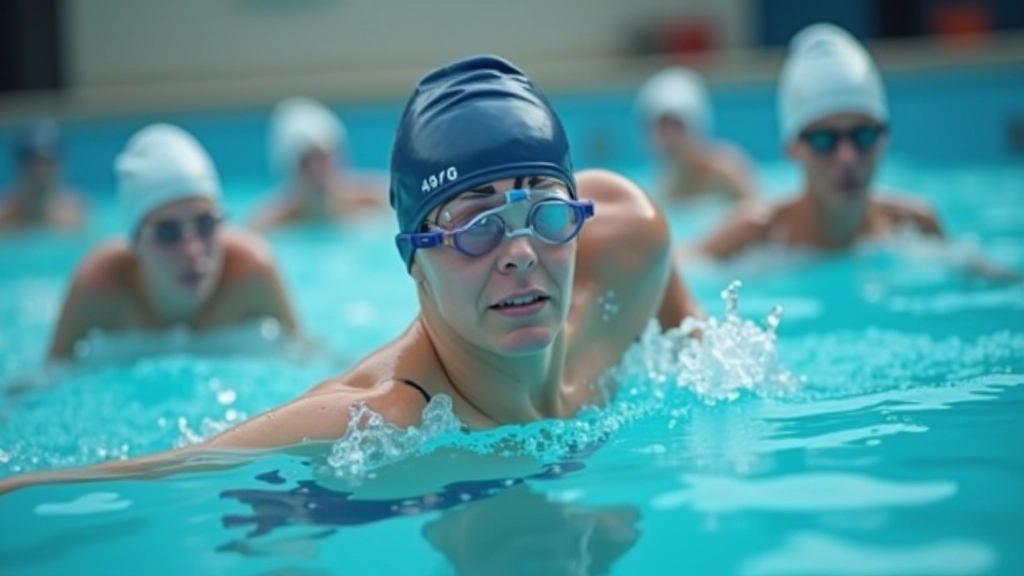
Swimming's one of the best activities for adults in your 40s and 50s. It's low-impact on your joints, builds strength across your whole body, and you'll feel the difference pretty quickly. Most people aren't worried about speed or competition — they just want to move well, feel stronger, and enjoy being in the water.
We're not talking about joining a competitive club or training for championships. These sessions are designed specifically for adults who might not have swum since school or who want to get back into it properly. You'll work at your own pace, get individual feedback, and train alongside people in the same boat as you.
What Happens in Your First Session
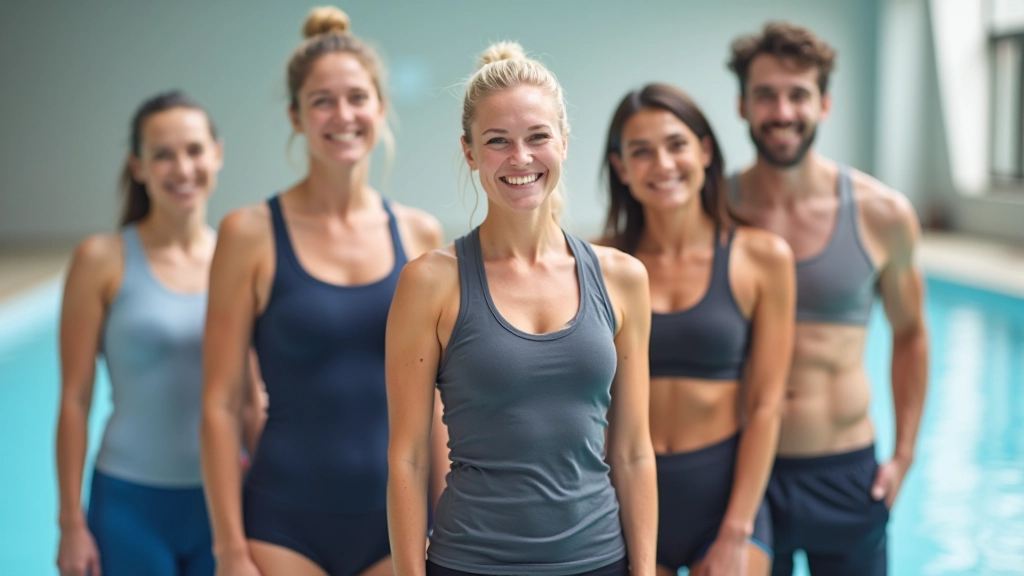
You'll arrive 10-15 minutes early. The coach meets everyone and does a quick chat about any injuries, mobility issues, or things you're working on. No judgment here — they've heard it all. You'll change in the leisure centre changing rooms and meet at the pool.
The first 5 minutes is always in the shallow end. You'll do some basic warm-up movements — walking, gentle floating, getting your body used to the water temperature. Then you'll work on fundamentals. This might be breath control, how to hold your body in the water, or basic kick technique. The instructor will show you, you'll practice, and they'll watch and correct your form.
Sessions run 60-90 minutes depending on the program. You won't be swimming flat-out the whole time. There's structure: warm-up, technical work, some endurance, cool-down. Lots of people think they'll be exhausted, but honestly most feel energised afterwards.
Stroke Technique Basics You'll Learn
Most beginners focus on these four core areas. Coaches break them down step-by-step so you're not overwhelmed.
Body Position
Your body needs to be horizontal and streamlined in the water. Most beginners drop their legs too low, which creates drag and tires you out. The coach will show you how to engage your core slightly so you stay level.
Breath Control
Breathing is the biggest mental barrier for returning swimmers. You'll learn to exhale through your nose and mouth underwater, then turn your head to breathe. It sounds simple but it changes everything.
Arm Stroke
Your arms drive you forward. You'll work on the catch (pulling water), mid-pull (the power phase), and recovery (bringing your arm forward). It's all about rhythm and efficiency, not strength.
Kick Technique
Your legs shouldn't thrash around. A controlled flutter kick comes from your hips and knees, not your ankles. You'll practice this with a kickboard so you can focus purely on leg movement.
How Classes Are Adapted for Different Abilities
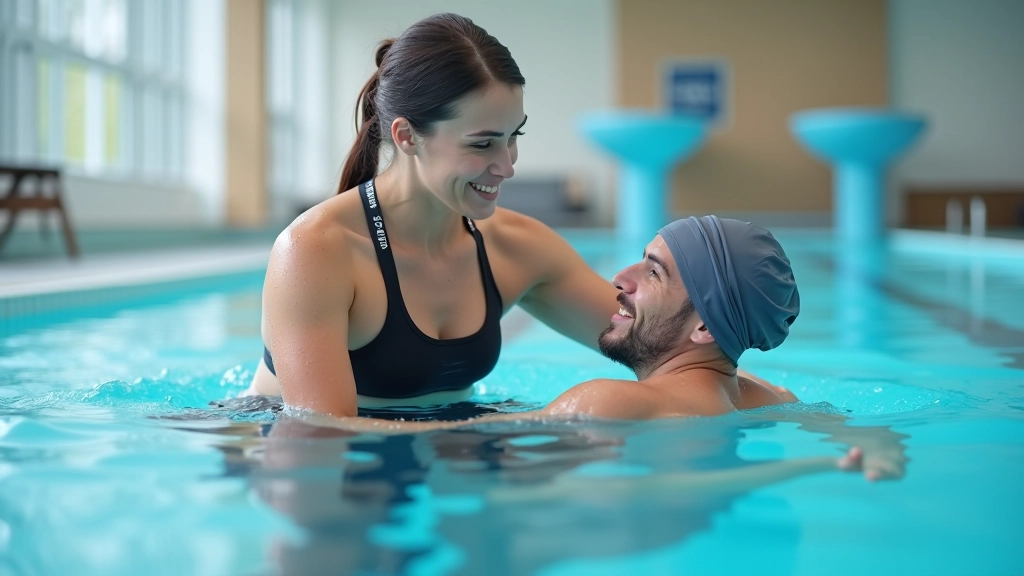
Classes aren't one-size-fits-all. Most groups have swimmers at different levels in the same session. The instructor gives everyone the same core exercise but with options. Absolute beginners might use a kickboard and focus on one thing. Intermediate swimmers do the full movement. Advanced swimmers add intensity or speed.
If you've got a shoulder issue, the coach will show you modified arm movements. Bad knees? There's an alternative kick. The whole approach is "work within your limits" — no one's pushing you into pain. You set your own pace and intensity.
Most coaches are trained to spot what's holding you back. Maybe you're not breathing at the right moment, or your kick is uneven. They'll give you specific corrections. These aren't criticisms — they're tools to improve. After 3-4 sessions you'll notice real changes in how the water feels.
Pool Safety and What to Expect
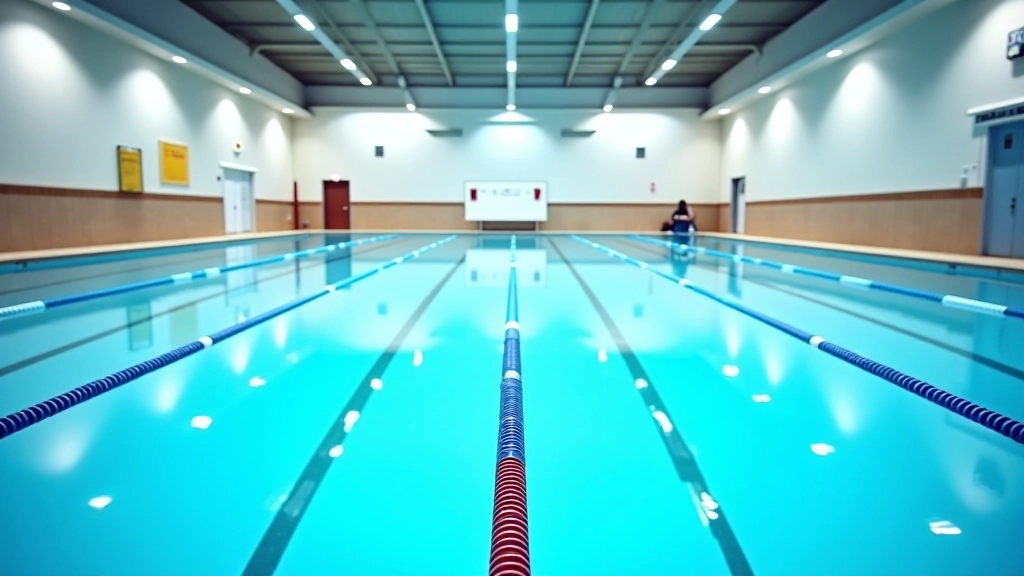
Safety's taken seriously. All instructors are qualified and many have first aid training. The leisure centres that run these programs have lifeguards on duty. Lanes are marked so you know where to swim. Beginners usually train in the shallower sections (1.2-1.5 metres) where you can stand if needed.
You'll be told the lane discipline before starting — usually one direction per lane, or a specific pattern for mixed-ability groups. The coach keeps count of who's where. If you need to stop, you just stand up or hold the rail. There's no pressure to keep going if you're tired.
Before your first session, let the coach know about any medical conditions — shoulder problems, asthma, anything that might affect you in the water. They'll adapt the session to work around it. Chlorine levels are monitored regularly, and the water temperature's usually 28-29°C, which is comfortable for extended activity.
What Progress Actually Looks Like
You won't go from non-swimmer to doing 50 lengths in two weeks. But realistic progress is genuinely achievable.
You'll feel more comfortable in the water. Breathing becomes less panicky. You can float and move around without gripping the rails.
You're swimming 25 metres (one pool length) with better technique. Maybe not perfectly, but you've got the basic rhythm. Fatigue kicks in less quickly.
Most people can swim 50-100 metres continuously. Your breathing's natural, your body position is improving, and you're actually enjoying it rather than just surviving.
You're confident in the water. You can swim different strokes, manage longer distances, and you've built real fitness. Most people here join a regular group or continue training.
Ready to Start?
Swimming sessions for adults 40-60 run year-round across leisure centres in the UK. Most programs have intake sessions where you'll meet the coach, discuss your goals, and get a sense of the group before committing to a block of sessions.
You don't need fancy equipment. A swimsuit, goggles, and a towel are enough. Many centres provide kickboards and pull buoys if you need them. The biggest thing you need is patience with yourself — you're learning a real skill, not just getting exercise.
Find a Session Near YouImportant Information
This article is educational and informational only. It describes general practices in adult swimming instruction across UK leisure centres. Individual programs may vary in structure, duration, and approach. Before starting any swimming program, especially if you have medical conditions, mobility limitations, or haven't exercised in a long time, consult with your GP or a healthcare professional. Swimming instructors are trained in coaching technique but aren't medical professionals. Water safety practices vary by facility — always follow the specific rules and guidance of the leisure centre where you're training.
Related Articles